

For many owners, a classic car is more than just a vehicle — it’s a passion project, an investment, and a piece of history. Whether you spend weekends at car shows, enjoy scenic drives, or are restoring a family heirloom, making sure your classic car is insured properly is one of the most important parts of ownership.
Standard auto insurance policies are often not designed to fully protect antique, vintage, or collector vehicles. Understanding the differences in coverage can help you avoid costly surprises if something happens to your prized car.
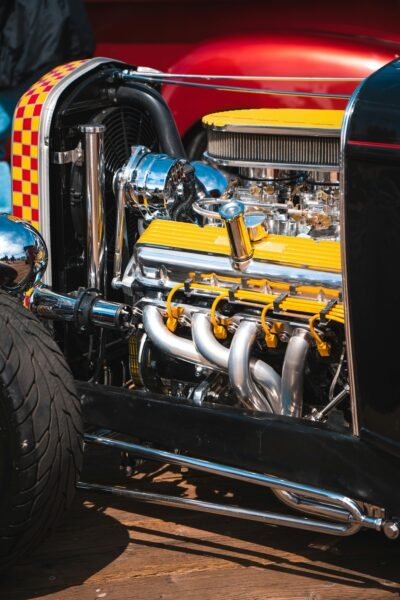
What Qualifies as a Classic Car?
Insurance companies may define “classic” differently, but vehicles that generally qualify include:
- Antique cars
- Vintage vehicles
- Muscle cars
- Hot rods
- Collector vehicles
- Exotic or limited-production vehicles
- Restored classic trucks
Some insurers require the vehicle to be at least 20–25 years old, while others may insure newer collector cars with significant value or rarity.
Why Standard Auto Insurance Isn’t Enough
Traditional auto insurance policies typically cover vehicles based on their depreciated cash value. That means if your classic car is damaged or totaled, the payout may not reflect the true value of the vehicle, especially after restorations or custom upgrades.
Classic car insurance is designed specifically for collector vehicles and often includes protections such as:
Agreed Value Coverage
One of the biggest benefits of classic car insurance is agreed value coverage. Instead of depreciating your vehicle over time, you and the insurance company agree on the vehicle’s value upfront.
If a covered total loss occurs, you receive the agreed amount stated in the policy — helping protect the investment you’ve made in the vehicle.
Important Coverage Options to Consider
Every classic car owner’s needs are different, but these coverages are commonly recommended:
Spare Parts Coverage
Protects valuable replacement parts, tools, and memorabilia related to your vehicle.
Restoration Coverage
May help cover vehicles currently being restored, including parts and labor invested during the process.
Flexible Usage Coverage
Many classic car policies allow occasional pleasure driving, car shows, parades, and club events while maintaining protection.
Roadside Assistance
Specialized towing and roadside coverage can help ensure your vehicle is handled properly if it breaks down.
Coverage for Customizations
If you’ve added custom paint, wheels, interiors, or performance upgrades, make sure those modifications are specifically included in your policy.
Factors That Affect Classic Car Insurance
Insurance companies often consider:
- Vehicle age and condition
- Storage and security
- Driving history
- Annual mileage
- How the vehicle is used
- Restoration quality
- Market value and rarity
Many insurers also require classic cars to be stored in a secure garage and not used as a daily driver.
Tips for Properly Protecting Your Classic Car
Keep Documentation Updated
Save receipts, restoration records, photos, and appraisals to help support your vehicle’s value.
Review Your Coverage Regularly
As the value of classic cars changes, your insurance coverage should be reviewed periodically to ensure limits remain accurate.
Work With an Experienced Insurance Agent
Classic vehicles often require specialized coverage that differs from standard auto policies. An experienced agent can help identify gaps and make sure your investment is protected correctly.
Don’t Leave Your Investment Unprotected
Your classic car represents time, money, and passion. Having the right insurance coverage can provide peace of mind whether your vehicle is on display at a show, stored in the garage, or out for a weekend drive.
If you own a classic or collector vehicle, now is a great time to review your policy and make sure your coverage matches the true value of your investment.
Protect your classic car the right way — because some vehicles are simply irreplaceable.