

Show Your Pet Love by Protecting Their Health
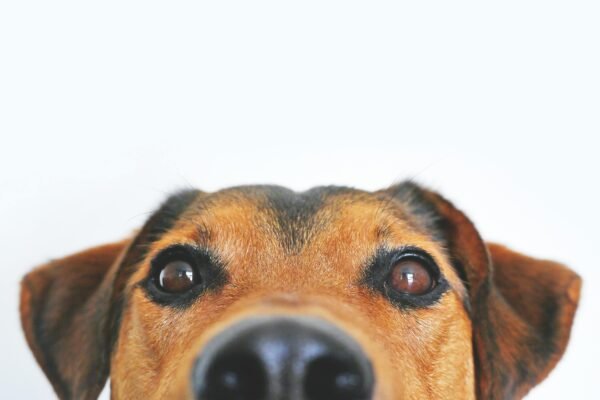
National Love Your Pet Day is the perfect reminder of how much joy our pets bring into our lives. They greet us at the door, keep us company on hard days, and somehow manage to become full-fledged family members. Whether you’re a dog person, a cat lover, or have a house full of furry (or scaly!) companions, today is all about celebrating them—and making sure we’re doing our best to keep them happy and healthy.
One of the most meaningful ways to show your pet love isn’t just extra treats or belly rubs (though those definitely help). It’s being prepared to care for them when they need it most.
The Rising Cost of Care for Four-legged Friend
Veterinary care has come a long way, which is great news for our pets—but it also means costs have increased. Routine visits, vaccinations, and preventive care add up quickly. Unexpected emergencies can be even more overwhelming.
A single accident or illness can cost hundreds or even thousands of dollars. From broken bones and swallowed objects to chronic conditions like diabetes or allergies, many pet owners are faced with tough decisions simply because of cost. That’s where pet insurance can make a real difference.
What Is Pet Insurance?
Pet insurance helps cover the cost of veterinary care if your pet gets sick or injured. Depending on the policy, it may reimburse you for things like:
-
Emergency vet visits
-
Surgeries and hospital stays
-
Diagnostic testing (X-rays, bloodwork, MRIs)
-
Prescription medications
-
Chronic or hereditary conditions
-
Sometimes even wellness care, like annual exams and vaccines
Instead of worrying about how you’ll afford care, pet insurance allows you to focus on what matters most—your pet’s recovery.
Why Pet Insurance Is an Act of Love
No one plans for their pet to get sick or hurt, but having coverage in place means you’re prepared if the unexpected happens. Pet insurance can:
-
Reduce financial stress during emergencies
-
Give you more treatment options, not fewer
-
Help you avoid delaying care due to cost concerns
-
Provide peace of mind, knowing you’re ready
Many pet owners say they wish they had enrolled sooner. The best time to get pet insurance is when your pet is young and healthy, before pre-existing conditions can limit coverage.
Every Furbaby Is Unique—So Are Their Needs
Just like people, pets have different health risks based on their breed, age, and lifestyle. An energetic puppy, a curious indoor cat, or a senior dog all face different challenges. Pet insurance allows you to choose coverage that fits your pet and your budget, so you’re not paying for more—or less—than you need.
Celebrate National Love Your Pet Day the Smart Way
Extra snuggles, a new toy, or a special walk are wonderful ways to celebrate National Love Your Pet Day. But taking a moment to think about your pet’s long-term health is one of the most loving decisions you can make.
Pet insurance isn’t just about finances—it’s about being able to say “yes” to care when your pet needs it most.
If you’d like to learn more about how pet insurance works or explore coverage options, we’re always happy to help answer questions and guide you through your choices. After all, our pets give us unconditional love every day—protecting them is the least we can do in return. 🐶🐱💙